Roswell has adopted permanent data center regulations that cap electrical demand, restrict locations and establish noise limits and residential buffers.
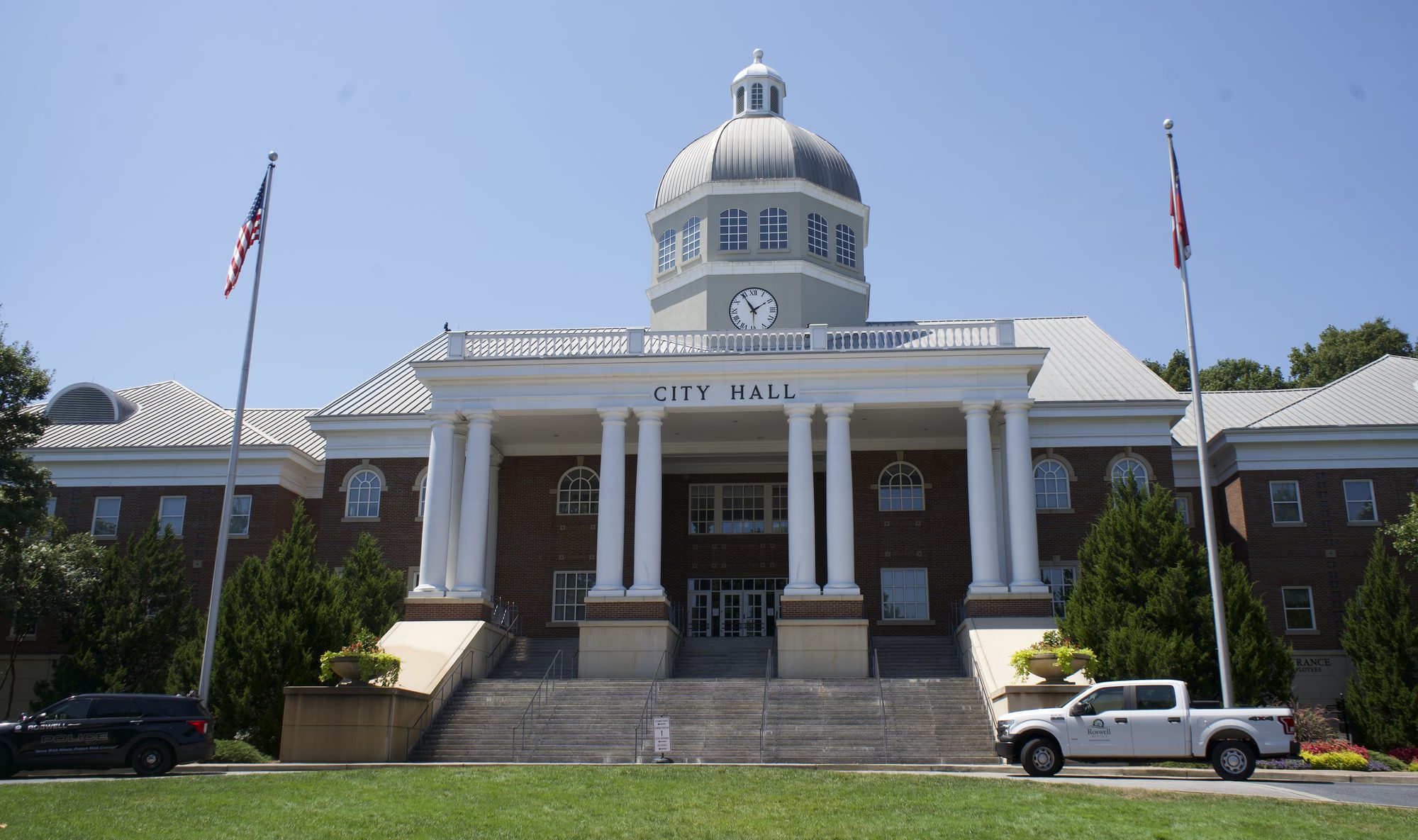
According to the city’s data center information page, the council approved Ordinance No. 2026-08-13 on Aug. 10, following a first reading July 27. The rules took effect upon adoption.
The vote was 5–0, with Councilmember Jennifer Phillippi excused.
The adopted ordinance caps data centers at 20 megawatts and divides them into two classes based on electrical demand.
Class 1 facilities, drawing 1–4.99 megawatts, require conditional approval in Office-Professional or Light Industrial districts. They must remain accessory uses, subordinate to a development’s primary use.
Class 2 facilities, drawing 5–20 megawatts, require conditional approval in Light Industrial districts.
The ordinance requires residential separation of 200 feet for Class 1 facilities and 1,000 feet for Class 2, measured between property lines. Planted buffers must be 100 and 200 feet wide, respectively.
Noise limits are 55 dBA from 7 a.m. to 10 p.m. and 45 dBA overnight, with a separate 60 dBC ceiling at all times. Applicants must provide acoustic studies, and open-loop evaporative cooling is prohibited.
The rules also require water and energy plans, emergency-response provisions and plans for decommissioning or repurposing facilities.
The city’s published buffer guidance calls for preserving existing vegetation and using layered plantings, evergreen screening, berms and other measures to screen facilities and reduce noise impacts.
The regulations followed months of research and public review. According to the city’s timeline, council unanimously approved a 90-day emergency moratorium on new data centers Jan. 12, when Roswell lacked regulations specific to the use.
Council approved a 95-day extension March 23 and another 90-day extension June 22.
City staff prepared a 27-page research report examining operations, utility demand, noise, public safety and regulations elsewhere. Planning Commission presentations and hearings helped shape subsequent recommendations, including the shift from building-size classifications to electrical-demand classifications.
Residents can review the ordinance, research reports and landscape-buffer standards on the city’s data center information page.