Roswell residents will get their first look at the proposed fiscal year 2027 budget on Monday, Oct. 26, and the city is laying groundwork with a new podcast episode that walks through how property taxes and spending decisions work.
Mayor Mary Robichaux and Finance Director Adam Novotney sat down for Episode 37 of Inside Roswell, the city's podcast, released Oct. 21. The episode covers the budget process, the millage rate and how Roswell funds public safety, parks and infrastructure, according to the city's podcast page.
The timing matters.
The Oct. 26 council meeting is the first of three scheduled sessions on the FY2027 budget. A first reading follows Nov. 9, and a second reading and final vote are set for Dec. 7, according to the city's October newsletter. All three meetings start at 7 p.m. and include public comment.
What residents pay now
City Council approved a 2026 property tax rate of 5.232 mills at its Sept. 28 meeting, up from 4.949 mills in 2025. The rate has two parts: a Maintenance and Operations (M&O) component of 4.049 mills, unchanged from 2025 and at its lowest level in 18 years, and a Debt Service component of 1.183 mills that repays voter-approved bonds.
The Debt Service portion rose 0.283 mills from 2025 after the city issued the second tranche of its bond program, which voters approved in 2022. That program has funded projects including a downtown parking deck that opened in May 2026, police and fire facilities, and parks and trail work, the newsletter said.
For a home with a fair market value of $575,000, the city portion of the property tax bill comes to about $1,203. Of that, roughly $272 goes toward bond repayment. Homestead exemptions lower those amounts. Tax bills are expected in the mail before the end of October, with payment due within 60 days and no later than Dec. 31.
The city's share is about 16.3% of a Roswell homeowner's total property tax bill. Fulton County Schools account for roughly 56.2%, and Fulton County government makes up about 27.6%.
Budget backdrop
The FY2027 budget arrives with unfinished business. Robichaux had proposed raising the millage rate to 7.732 mills to fund about $18 million in capital projects, including fire engines, road resurfacing and deferred maintenance. Council voted 4-2 on Sept. 28 to reject that increase.
"These capital needs are not going to go away," Robichaux said in coverage published Oct. 6 by the Appen Media Group. "In fact, they're going to get more costly the longer we wait."
City leaders had identified about $31 million in what Robichaux called "almost absolute needs" and trimmed roughly $13 million before proposing the increase, Appen reported. None of the remaining projects received funding through the 2026 millage rate.
Nearly 1,000 residents responded to the city's community budget survey over the summer, the newsletter said. Fire, police and transportation ranked as the most important city services. Roads, sidewalks and traffic topped the list of areas where residents want more investment.
Council Member Chris Zack, who voted for the lower millage rate, said at the Sept. 28 meeting he would rather address the capital priorities list during budget talks, Appen reported.
How to follow along
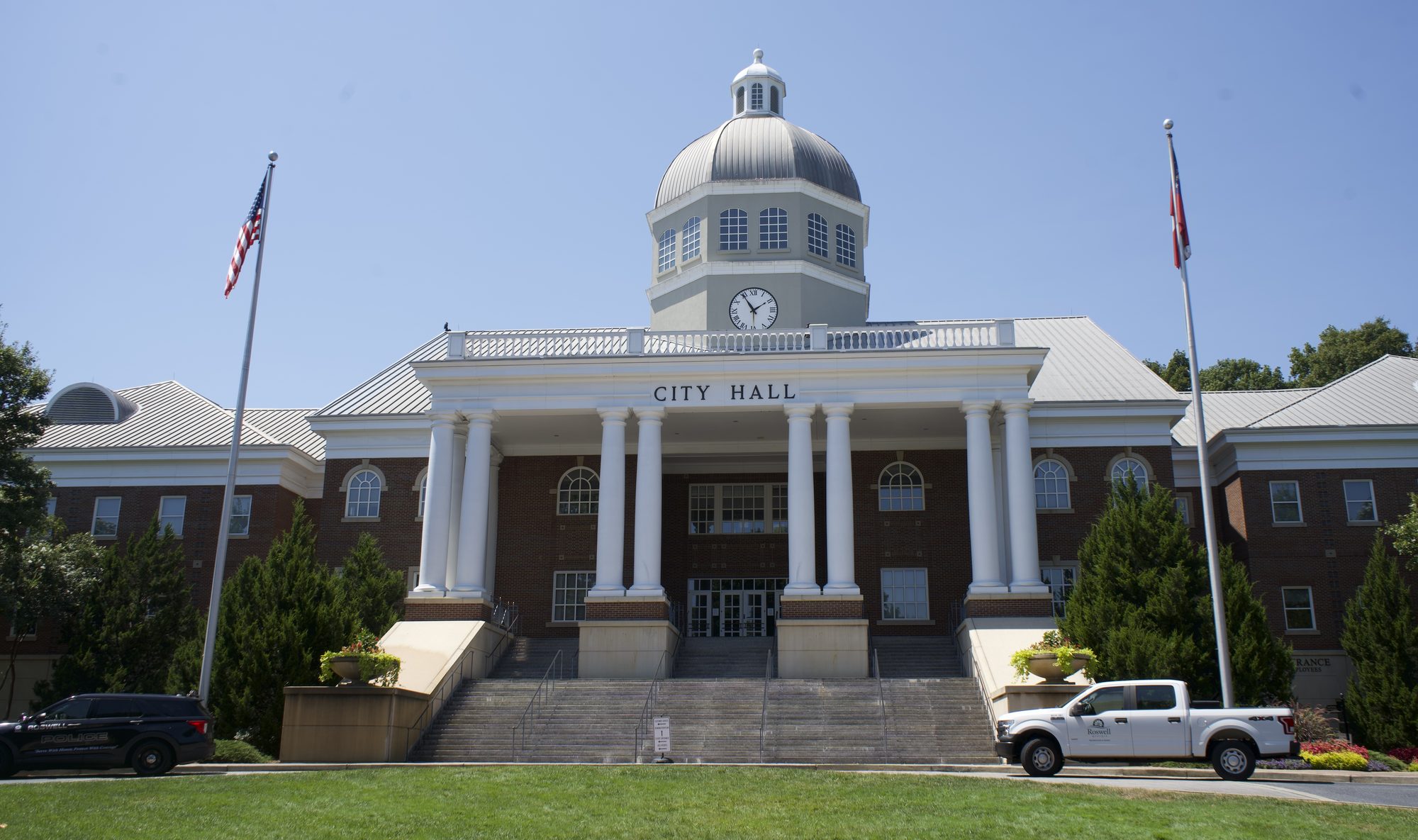
Residents can attend the Oct. 26, Nov. 9 and Dec. 7 council meetings in person at City Hall, 38 Hill St., or watch online at RoswellGov.com/MeetingVideo. Public comment is open at each session. The Inside Roswell podcast is available on the city's website.