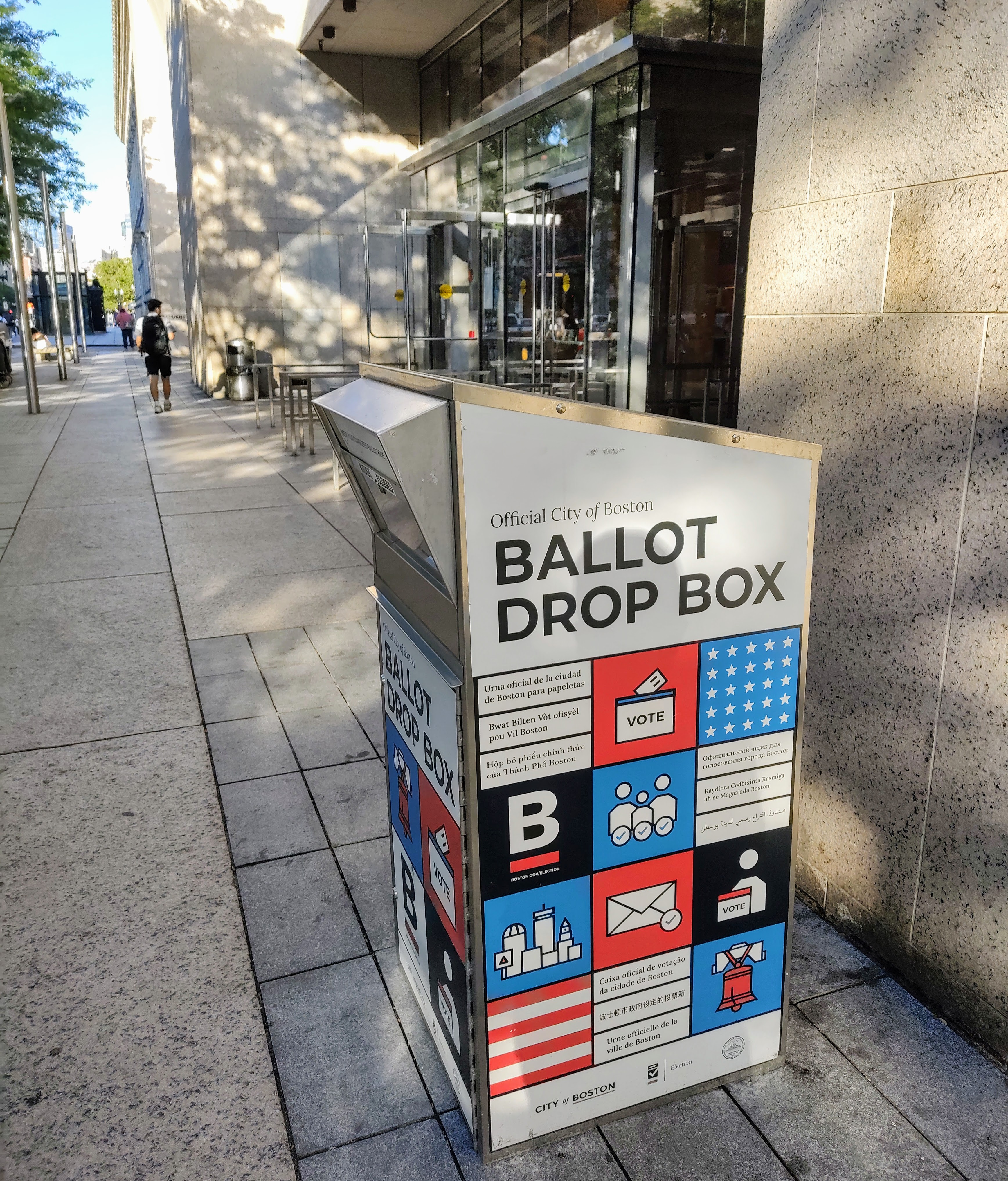
A federal memo listing metro Atlanta counties that offer multilingual election materials has drawn scrutiny ahead of Roswell's Nov. 3 TSPLOST vote.
The internal U.S. Department of Homeland Security document, first reported by NPR on Friday, Sept. 18, names Gwinnett, Cobb and DeKalb counties. It was emailed in December to senior DHS officials alongside a Department of Justice checklist described as "outlining requirements for prosecution of voter related charges." The 78-page document was released through a public records lawsuit filed by the Democratic National Committee.
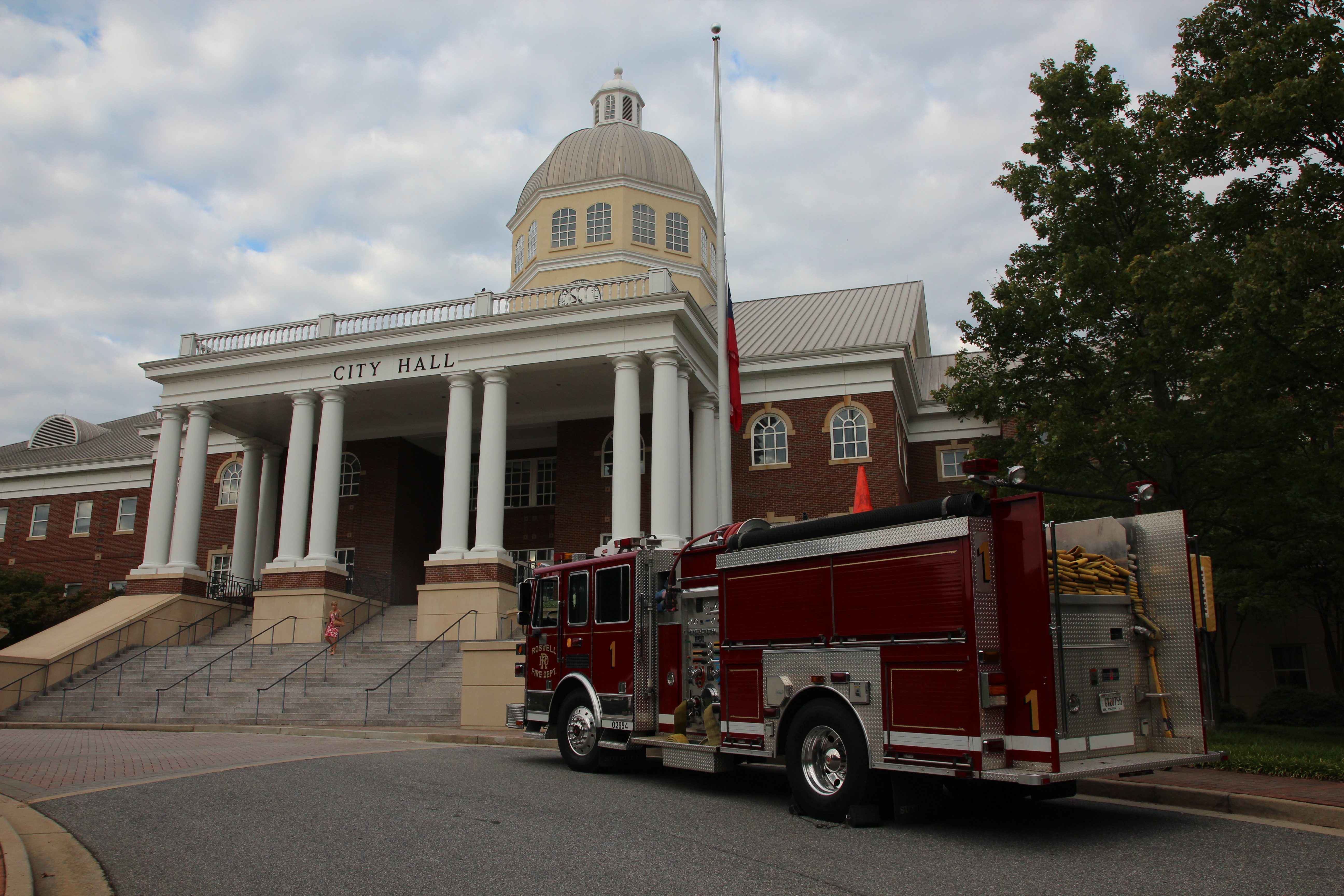
Fulton County is not named in the memo. But the document noted other Georgia jurisdictions may also translate election materials, and Roswell's demographics put the city in the middle of the debate. Census Bureau estimates show 23% of Roswell residents age 5 and older speak a language other than English at home. The city's population is 16.3% Hispanic or Latino and 4.8% Asian, according to 2020–2024 American Community Survey data.
Those residents are among the Fulton County voters scheduled to decide the TSPLOST renewal on Tuesday, Nov. 3. The 0.75% sales tax, if approved, would generate a projected $85 million to $95 million over five years for 18 Roswell transportation projects, according to Roswell Connections. Early voting begins Tuesday, Oct. 13, and runs through Friday, Oct. 30.
The memo's purpose remains unclear. It is heavily redacted, and DHS described it in a court filing as "a subordinate sharing initial thoughts and opinions with leadership." Recipients included Rob Law, undersecretary for strategy, policy and plans; Eric Ruark, assistant secretary for border security and immigration; and Heather Honey, deputy assistant secretary for election integrity.
A DHS spokesperson said in a statement that the agency and the Department of Justice are focused on prosecuting noncitizens who vote and preventing what the agency called "the dilution of the votes of U.S. citizens." A separate DHS statement said ICE is not planning operations targeting polling locations.
Voting rights advocates say the memo could discourage eligible voters from casting ballots. Gigi Pedraza, executive director of the nonpartisan Latino Community Fund, told the Georgia Recorder that the federal focus on multilingual materials sends the wrong signal.
"It's just unfortunate that instead of encouraging people to participate in democracy, we make it look like it's something that can put them in harm's way," Pedraza said.
Anar Parikh, policy manager at Asian Americans Advancing Justice-Atlanta, said naturalized citizens in Georgia already face extra documentation requirements to verify citizenship and residency. She said the threat of immigration enforcement near polls adds to those barriers.
The accuracy of the DHS document itself is in question. Cobb County Elections Director Leigh Phillips told Fox 5 Atlanta that her county provides sample ballots in English, contradicting the memo's claim that Cobb offers materials in Spanish and Korean.
Noncitizen voting in Georgia is rare. A 2024 audit by Secretary of State Brad Raffensperger's office found 20 noncitizens on the state's voter rolls out of 8.2 million registered voters. Nine had ever cast a ballot.
Polling from the University of California San Diego released in September found roughly 40% of voters nationwide believe ICE agents will be present at voting locations in their area. Voters of color were significantly more likely to say they feared voting could put them at risk of being questioned by immigration authorities, according to the survey.
Fulton County Director of Elections Nadine Williams has not publicly addressed the memo. The voter registration deadline for the Nov. 3 TSPLOST election is Monday, Oct. 5.