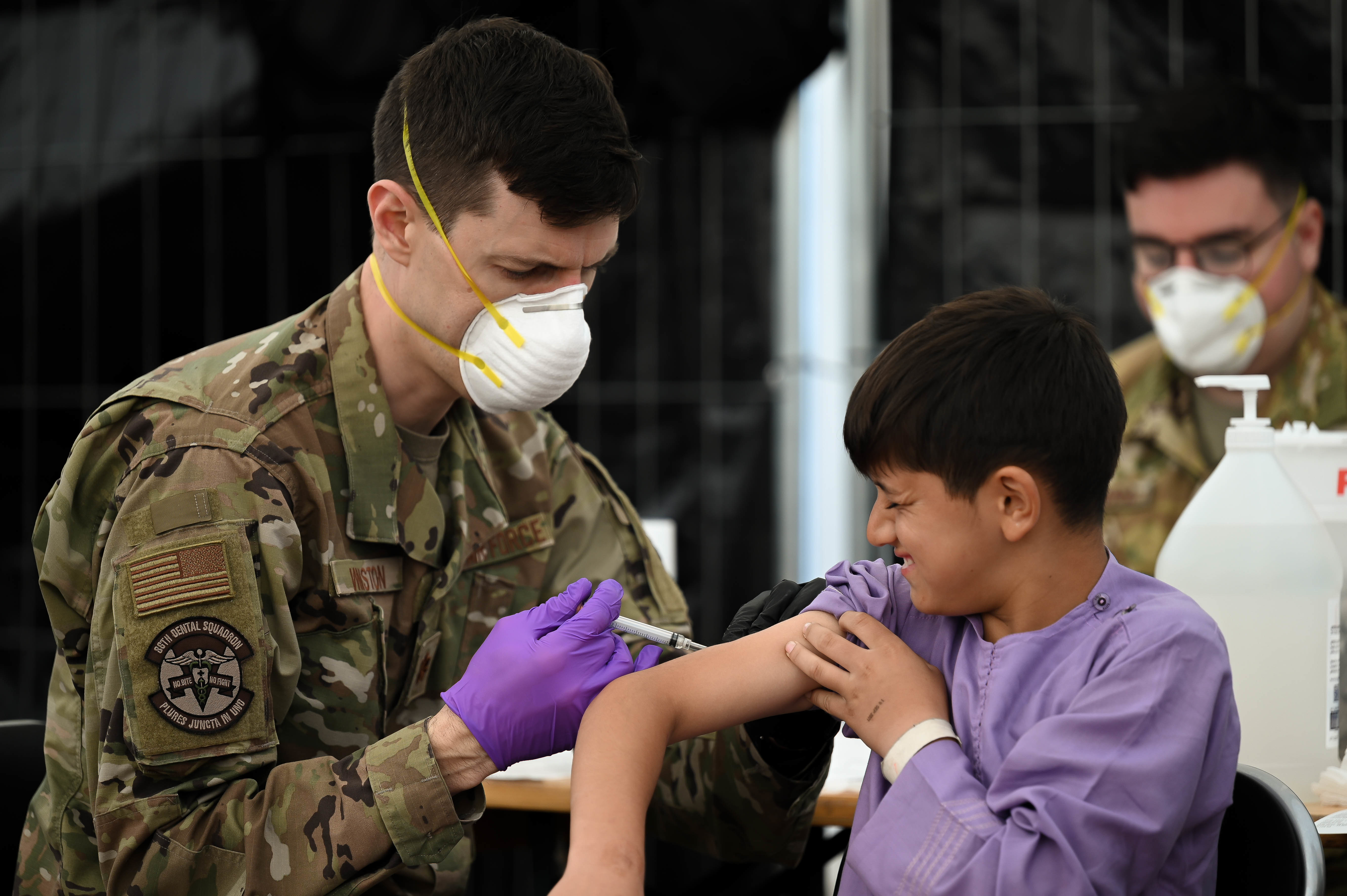
A measles outbreak at a metro Atlanta daycare has pushed Georgia's confirmed case count to 14, prompting Fulton County health officials to urge families across the county, including in Roswell, to check their children's vaccination records.
The Georgia Department of Public Health (DPH) announced Friday, Sept. 4, that all eight children in the daycare cluster were unvaccinated or not fully vaccinated. The agency has not named the facility. DPH said it is actively tracing exposures and notifying people who may be at increased risk.
The outbreak began with a single confirmed case on Aug. 18 involving an unvaccinated metro Atlanta resident with no known travel history or prior exposure. Four additional cases were confirmed by Aug. 28, and three more followed by Friday, Sept. 4, according to the Fulton County Board of Health.
Georgia recorded 10 measles cases in all of 2025. The state has already surpassed that total with more than three months left in the year.
The U.S. Centers for Disease Control and Prevention (CDC) reported 3,134 confirmed measles cases nationwide as of Thursday, Sept. 3. National MMR vaccination coverage among kindergartners dropped from 95.2% in the 2019–2020 school year to 92.4% in 2025–2026, according to CDC data. That left roughly 280,000 kindergartners without full protection. A KFF analysis found 39 states fell below the 95% vaccination target in the 2025–2026 school year.
Georgia's specific kindergarten MMR rate has not been publicly broken out in available data, but Rough Draft Atlanta reported the state's childhood vaccination rate is below the 95% threshold.
Rep. Rich McCormick, a physician whose district includes parts of north Fulton County and the Roswell area, urged parents to check their children's vaccination status in a post on X on Tuesday, Sept. 8. "As an ER doctor, I know measles is serious, highly contagious, and preventable," McCormick wrote.
The CDC recommends children receive their first dose of the measles, mumps and rubella (MMR) vaccine between 12 and 15 months of age and a second dose between 4 and 6 years of age. Two doses provide about 98% protection, according to DPH.
Measles symptoms typically appear seven to 14 days after exposure. They start with high fever, cough, runny nose and watery eyes, followed by a rash of red spots that begins at the head and spreads. The virus can linger in the air or on surfaces for up to two hours after an infected person leaves a room.
DPH advises anyone who may have been exposed to stay home and avoid contact with others, especially infants under 1 year old and people with weakened immune systems. Residents should call their health care provider before visiting a medical facility. Those without a doctor can reach DPH's Acute Disease Epidemiology Section at 404-657-2588 during business hours or 1-866-782-4584 after hours and on weekends.