Roswell area drivers face elevated deer-crash risk through December as mating season pushes more animals onto roads, a Georgia Department of Natural Resources official warned.
Blake Graber with the DNR told WSB Radio that "the Roswell, Alpharetta, Sandy Springs area" generates a high number of deer-related calls. Northeast Georgia counties surrounding Lake Lanier also rank among the busiest, Graber said.
Shorter fall days mean more commuters share the road with deer during the twilight hours when the animals are most active.
Why crashes spike in fall
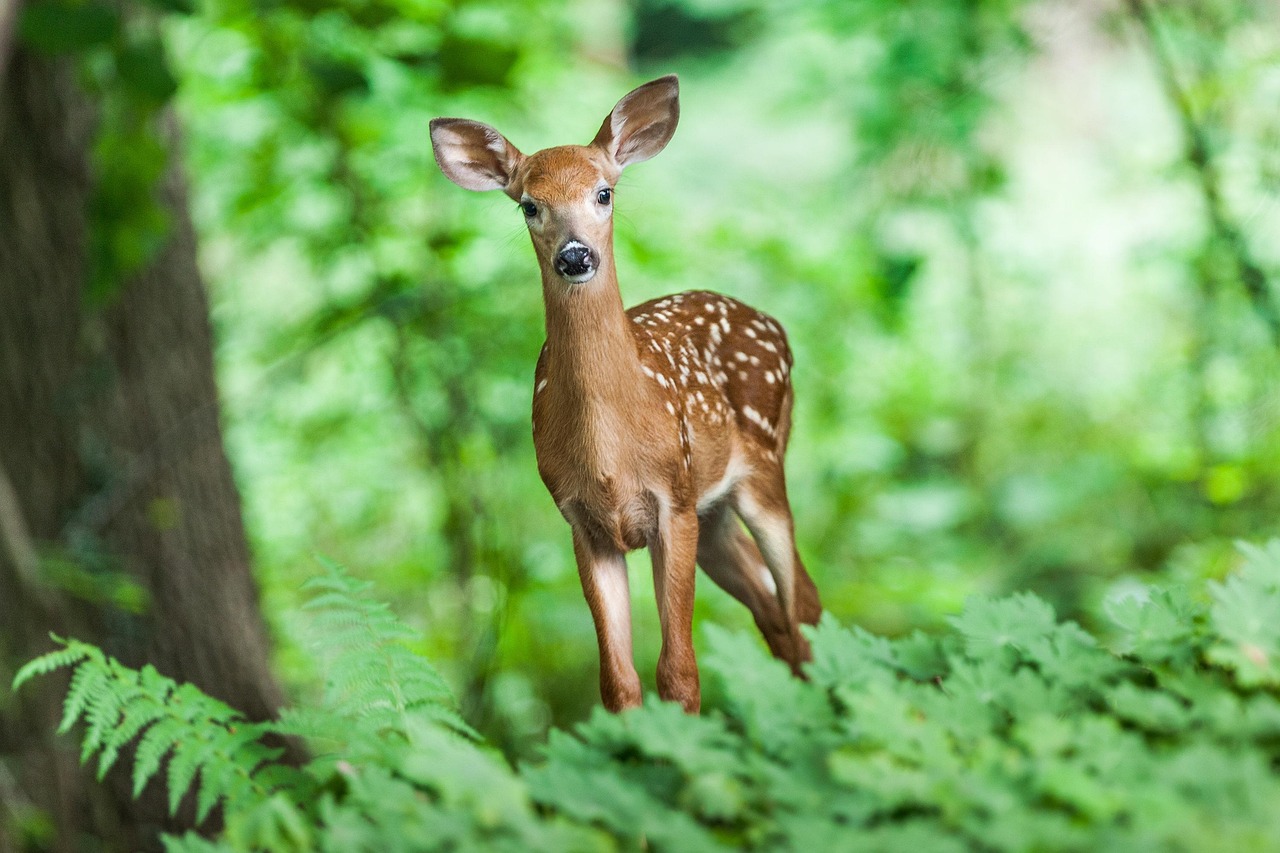
Deer mating season typically lasts through December, according to the DNR. Male deer become less cautious around vehicles during this period.
"That is characterized by an increase in testosterone in the male deer which kind of leads to an increase in aggression and a decrease in their caution in pursuit of mates," Graber told WSB Radio in coverage published Oct. 26.
Deer are most active at dawn and dusk. Those twilight hours overlap with morning and evening commutes, creating what Graber called "kind of the recipe for these deer vehicle collisions."
Development pushes deer closer
Graber said development near deer habitats has pushed animals into closer contact with people, raising the collision count.
"We're kind of encroaching on that and pushing them closer and closer to humans, we see higher numbers of deer, vehicle collisions because of that," Graber said.
Georgia drivers have a 1-in-115 chance of hitting a an animal, according to WSB Radio's report. Atlanta News First attributed that figure to State Farm's September 2026 animal-collision report.
Statewide, drivers reported 18,189 wildlife collisions on state roads in 2024, according to Georgia Department of Transportation crash data cited by the Atlanta Press Collective. Of those, 1,810 resulted in injuries and 15 were fatal.
Insurance gap could leave drivers paying
Drivers who carry only Georgia's required minimum liability insurance may have no coverage if they hit a deer, Atlanta News First reported Oct. 19. Hitting a deer directly is typically covered under comprehensive insurance, while swerving to avoid a deer and striking a tree or guardrail is generally treated as a collision claim. Both types of coverage are optional under Georgia law.
The DNR is reminding drivers to stay alert at dawn and dusk through December. Drivers who carry only state-minimum liability coverage and hit a deer could face the full repair bill out of pocket.