Roswell police say their Flock license plate cameras have aided nearly 500 investigations in 2026. The department spelled out the program's privacy safeguards in a formal FAQ published Thursday, Sept. 10, on the city's website.
The document is the department's most detailed public response to resident concerns about the camera program, which drew questions at an Aug. 31 open forum. As we reported Sept. 15, the $237,500-per-year contract runs through Dec. 10, 2028.
What the cameras capture
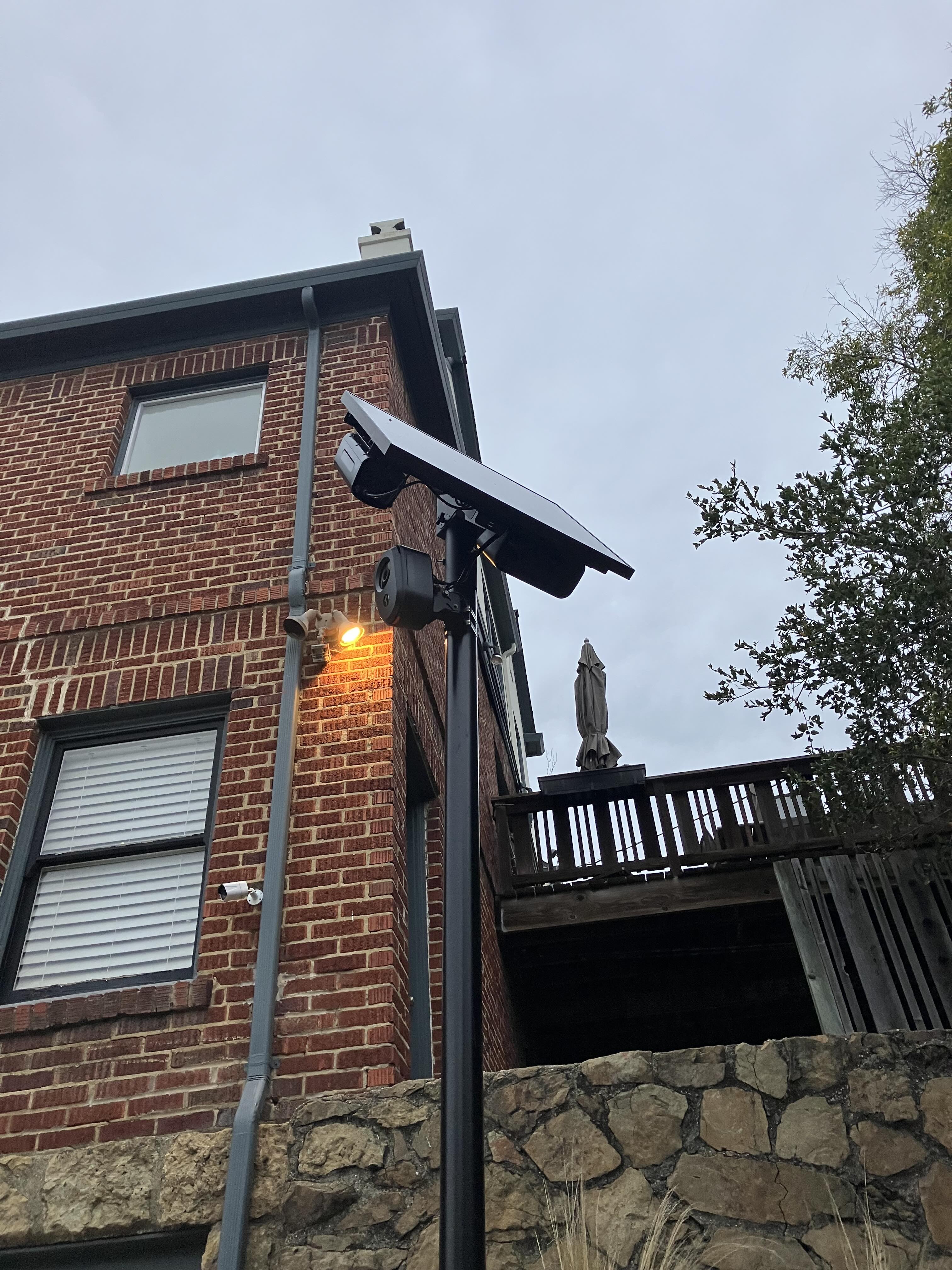
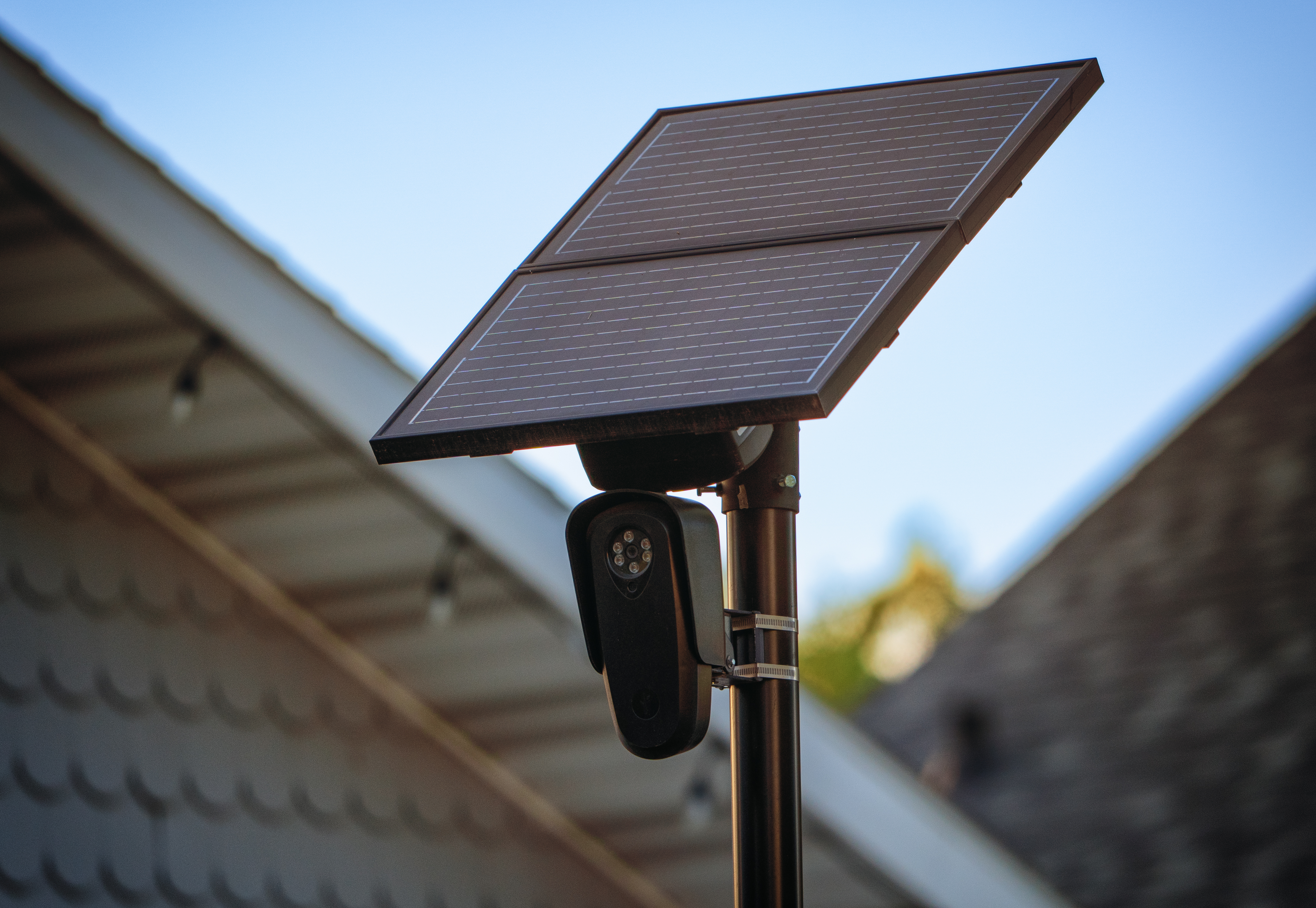
The Roswell Police Department said in the FAQ that Flock cameras photograph vehicles and license plates only, not people or faces. Photos are accessed only through a direct search and purged after 14 days unless saved as evidence in an active criminal investigation. The department said the vast majority of captured data is deleted without ever being viewed.
All data is owned by the department, not by Flock Safety, the FAQ states.
Flock is prohibited from selling or sharing it with third parties.
Who can search, and for what
Each search requires a valid investigative justification and, when applicable, a case number. Every query is permanently logged in an audit trail tied to the individual user. The department said it conducts monthly audits and has found no instances of misuse.
Shared data is restricted to active criminal investigations and emergencies such as locating missing persons. The FAQ states the system is technologically blocked from use in civil immigration enforcement or reproductive health care and is not shared with federal agencies by default.
Before making a traffic stop based on a Flock alert, officers must visually confirm the plate and vehicle match the alert and verify warrant or stolen-vehicle status through state and national crime databases, according to the FAQ.
Policy history and legal framework
The department has maintained a formal policy on license plate readers, designated RPD Policy 46.2, since 2014. Under Georgia law (O.C.G.A. § 35-1-22), it is a crime to obtain or use plate reader data under false pretenses or for anything other than a legitimate law enforcement duty. The same statute exempts the data from open records requests.
One detail stands out. The FAQ's public-facing section states a 14-day data purge, while the embedded policy text sets the ceiling at 30 days. The department has not explained the gap.
Investigation numbers
Since 2023, the department said Flock technology has been used in nearly 1,000 investigations, with close to 500 of those in 2026 alone. Cases include homicides, aggravated assaults, robberies, burglaries, kidnappings and missing persons. Officers have used the cameras to help search for at least 43 people reported missing in Roswell since 2023.
The FAQ cites a 2023 hit-and-run in which two Roswell residents were critically injured. The department said plate reader data helped identify the vehicle and led to an arrest the same day.
Statewide context
The FAQ comes as state officials investigate misuse of the cameras across Georgia. The Georgia Recorder reported Aug. 25 that at least 14 people had been arrested and charged statewide in 2026 for misusing the law governing the cameras.
State Sen. John Albers, a Roswell Republican who chairs the Senate Public Safety Committee, wrote in an Aug. 24 op-ed that "backing the blue does not mean 'writing a blank check' for government surveillance." Albers announced a task force with the Georgia Association of Sheriffs and the Georgia Association of Chiefs of Police to explore whether new legislation is needed.
What's next
At the Aug. 31 forum, residents asked whether the City Council would place the Flock program on a future agenda for a dedicated vote. The city's answer: there are currently no plans to do so. The department's FAQ directs residents to Flock Safety's online transparency portal for Roswell for camera counts and data-sharing agreements.