A proposed federal rule would strip tax-exempt status from private schools that consider race in any program. The change could raise costs for families at Roswell's Blessed Trinity Catholic High School.
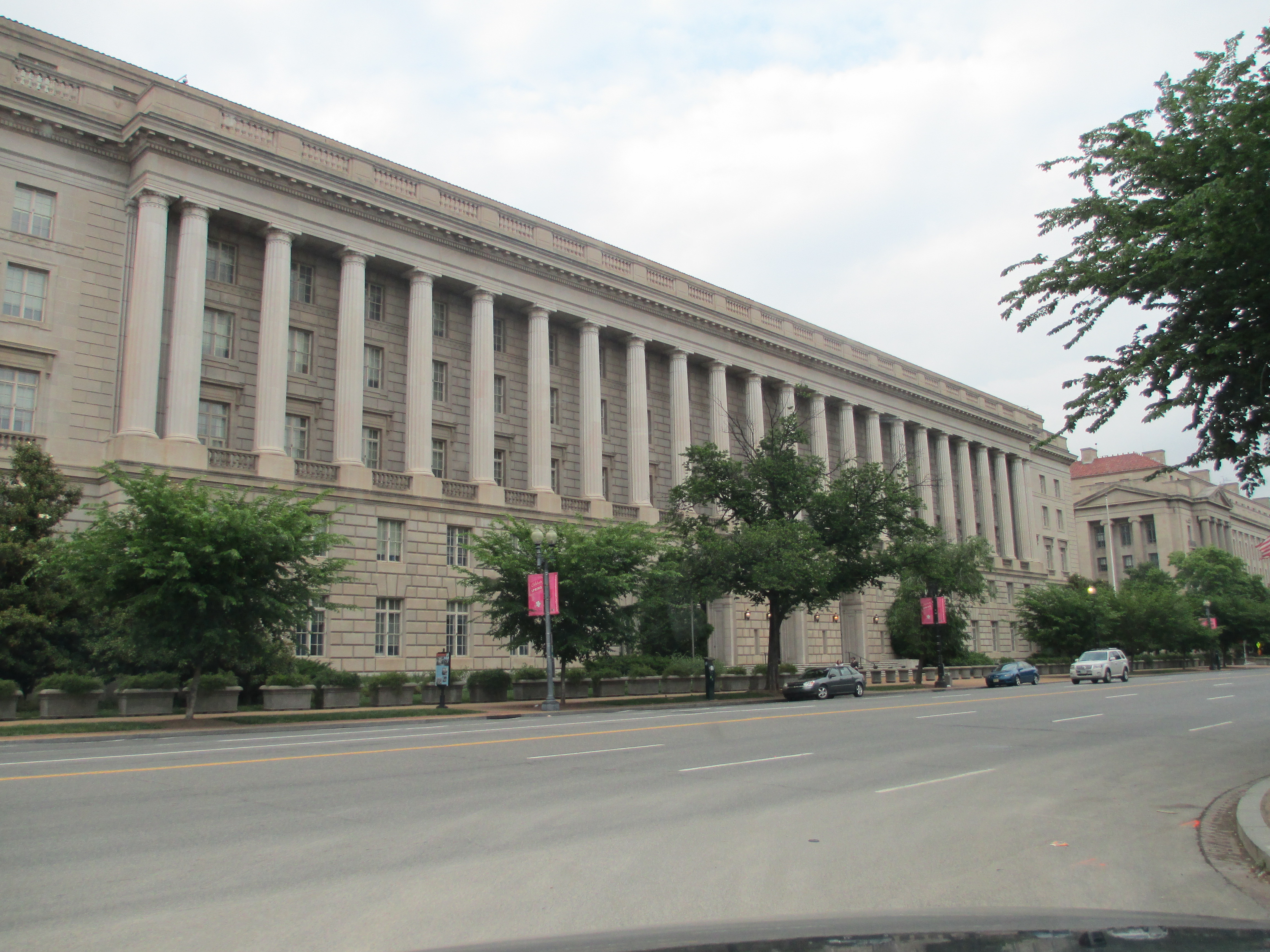
The Treasury Department and Internal Revenue Service released the proposed rule on Thursday, Sept. 3. It would deny tax-exempt status to any private school with a program that considers race, color or national or ethnic origin for any purpose, according to Gibson Dunn's legal analysis. That language covers admissions, scholarships, athletics and diversity programming.
The IRS estimates 18,000 private schools would be affected, PBS NewsHour reported. The Treasury and IRS's own regulatory filing puts the number of students attending those schools at about 750,000, some of whom may currently qualify for scholarships allocated on the basis of racial, ethnic or national identity.
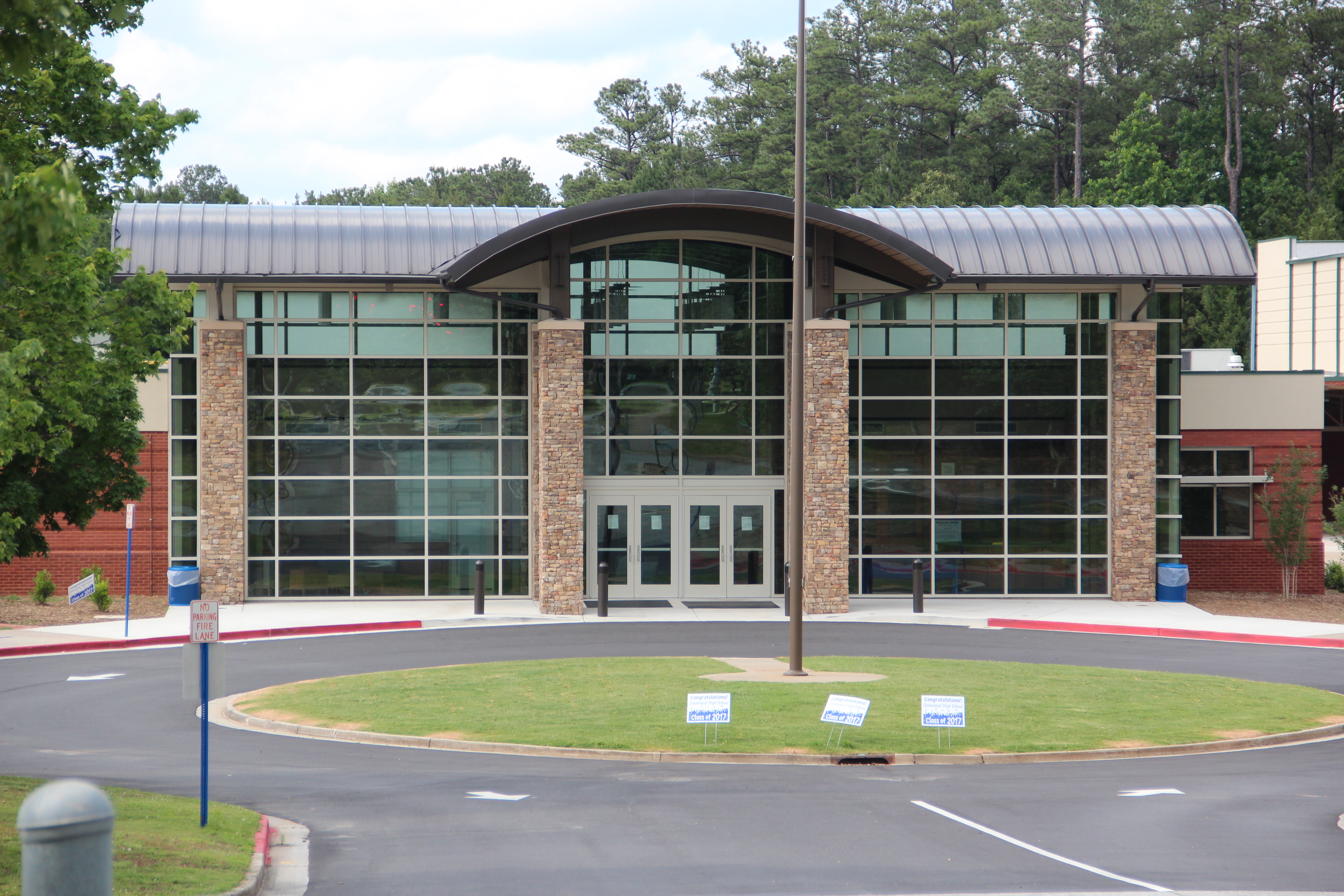
For Roswell families, the stakes are concrete. Blessed Trinity on Woodstock Road charges $18,850 per year for active Catholic families and $21,350 for others, according to the school's tuition page. Losing tax-exempt status would subject a school's net income to federal tax and end the tax deductibility of donations, potentially driving tuition higher.
The proposed rule includes a narrow religious carve-out. Schools may still prioritize students who share the school's faith, as long as that criterion is based solely on religion and not on shared ancestry or ethnic characteristics. Whether that exemption would fully shield a school like Blessed Trinity from scrutiny of its scholarship or diversity-related programs is unclear. Neither Blessed Trinity nor the Archdiocese of Atlanta has publicly commented on the rule.
Treasury Secretary Scott Bessent said schools that rebrand race-based preferences as diversity efforts do not change their discriminatory nature. IRS Chief Executive Officer Frank J. Bisignano said schools that continue racial discrimination should expect to lose their tax-exempt status.
Legal scholars say the rule faces steep obstacles. Notre Dame Law professor Lloyd Hitoshi Mayer has said the rule reaches a much broader range of activities than just admissions, and that it extends to K-12 schools not otherwise subject to the federal Constitution or Title VI because they do not receive federal financial assistance.
UMass Amherst nonprofit law scholar Elizabeth Schmidt wrote in a Friday, Sept. 11, analysis for The Conversation, republished by Fulton Neighbor, that she believes the rule stretches U.S. law so far it will likely face years of litigation. She noted the 1983 Bob Jones University ruling the administration cites relied on 30 years of evidence from all three branches of government establishing that racial discrimination in education violated fundamental public policy — a consensus she says the administration may struggle to show exists around today's diversity initiatives.
Gibson Dunn attorneys identified four legal vulnerabilities. First, it's unclear whether the "fundamental public policy" doctrine that stripped Bob Jones University of its exemption over outright segregation also applies to narrower race-conscious efforts within otherwise nondiscriminatory programs. Second, the rule does not define "discrimination" or explain how intent, institutional liability or compliance will be assessed. Third, it does not clarify when Treasury will judge compliance or reconcile the standard with the IRS's past position that it cannot independently determine legality outside the Tax Code. Fourth, it reverses more than 50 years of guidance — including a 1975 revenue procedure — that treated race-conscious aid programs as compatible with tax-exempt status, a reversal courts may scrutinize for whether the agency adequately accounted for schools' reliance on the old rule.
The public comment period runs through Tuesday, Nov. 3. If finalized, the rule would first apply to taxable years beginning after May 31, 2027.