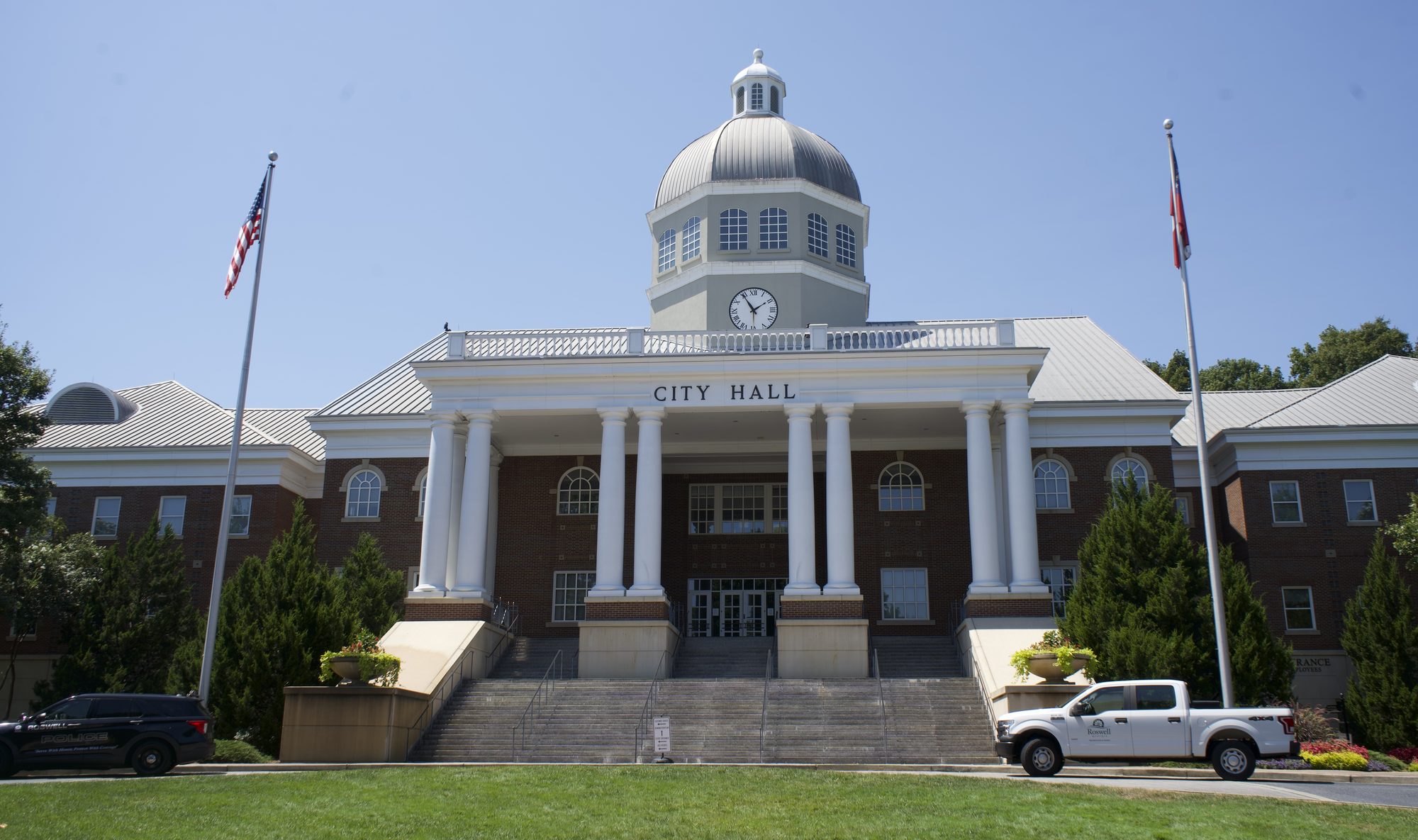
Roswell's City Council unanimously approved two stormwater code amendments on Monday, Aug. 10, tightening runoff standards for future development and redevelopment across the city.
The vote was 5-0. Councilmember Jennifer Phillippi had an excused absence, according to the city's meeting recap. The amendments formally embed Roswell's Stormwater Handbook into the Unified Development Code, setting design requirements stricter than the state-level Georgia Stormwater Management Manual. Where the two conflict, the tougher local standard now controls.
Brian Watson, director of Environmental/Public Works, introduced the amendments at the June 9 Committees of Council meeting. They cleared first reading, also 5-0, on July 27 before final passage Aug. 10.
Who's affected
The updated rules apply to any new development creating 5,000 square feet or more of impervious surface, or disturbing at least 1 acre of land. Redevelopment projects hitting those same thresholds are covered too. Commercial or industrial "hotspot" uses face the standards regardless of size. Even smaller projects adding between 1,000 and 5,000 square feet of impervious cover must now provide runoff reduction for the new or replaced area.
Residential subdivisions, commercial sites and road projects all fall under the new framework if they meet the size triggers.
What developers must do
The code now requires builders to retain the first 1.0 inch of rainfall on-site using runoff reduction methods "to the maximum extent practicable," according to the city's committee agenda packet. When on-site retention is infeasible, the stormwater system must remove at least 80% of the average annual post-development total suspended solids load for a 1.2-inch rainfall event.
Developers must also provide stream channel protection, including 24-hour extended detention of the 1-year storm event, and control post-development peak discharge to pre-development rates for storms up to the 100-year event. A downstream peak flow analysis is required to the point where the site makes up 10% of the total drainage area.
Exemptions
Emergency land disturbance by government agencies, utility trench work and pavement replacement, government-led stormwater restoration projects, ADA-required modifications, existing driveway replacement in kind, and certain agricultural activities are exempt.
What's next
The next regularly scheduled City Council meeting is Monday, Aug. 24, at 7 p.m. at City Hall, 38 Hill Street. Residents can view full meeting agendas and submit public comments through the city's website.